When you walk into a library today, you probably don’t think twice about wandering among the shelves, picking up books, changing your mind three times, and leaving with something completely different from what you intended to borrow.
You probably don’t think about being able to request a book from another library.
But many of the features that define the modern library were pioneered by a woman from Kettering.
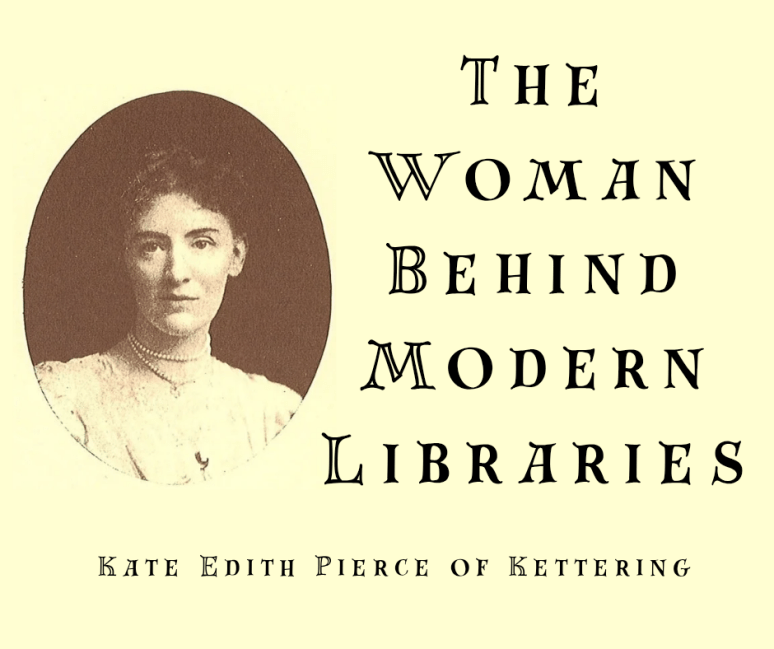
Her name was Kate Edith Pierce.
She helped champion two ideas which would transform libraries across Britain: open-access shelves, and the sharing of books between different libraries.
Today, both ideas seem completely ordinary. That is usually the sign of a revolution that succeeded.
And Kettering was right at the centre of it.
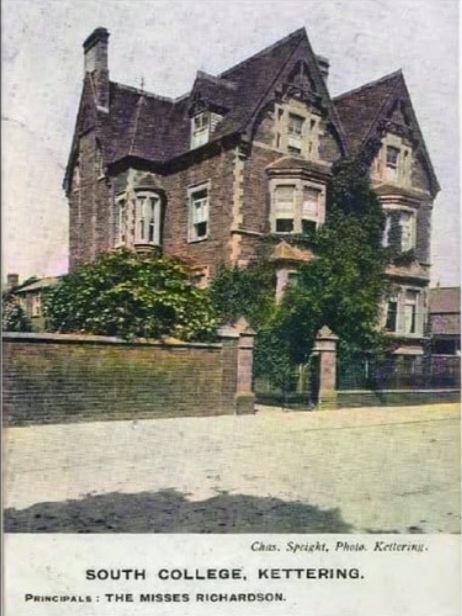
Pierce attended and then taught at South College on London Road.
Libraries Before Kate Pierce
To understand why Pierce mattered, you first have to understand how libraries used to be.
Early public libraries were often “closed access.”
You didn’t wander around shelves choosing books yourself. Instead, books were kept behind counters or locked away. Readers had to ask staff for titles from catalogues.
This system protected books from theft and damage, but it also made libraries intimidating and inconvenient. Many ordinary people simply didn’t browse because … they couldn’t.
The Open Shelf Revolution
Kate Pierce trained at Clerkenwell Public Library in London, where pioneering librarian James Duff Brown was experimenting with something radical: Letting people touch the books.
Victorian society took this surprisingly hard.
Brown helped develop one of Britain’s first “open access” library systems, where visitors could walk among shelves and choose books themselves. Pierce became a passionate supporter of the idea.
In 1896, at only twenty-two years old, Pierce became chief librarian of Kettering’s library. At the time, only sixteen out of 240 public libraries in England were headed by women.
Pierce became the seventeenth.
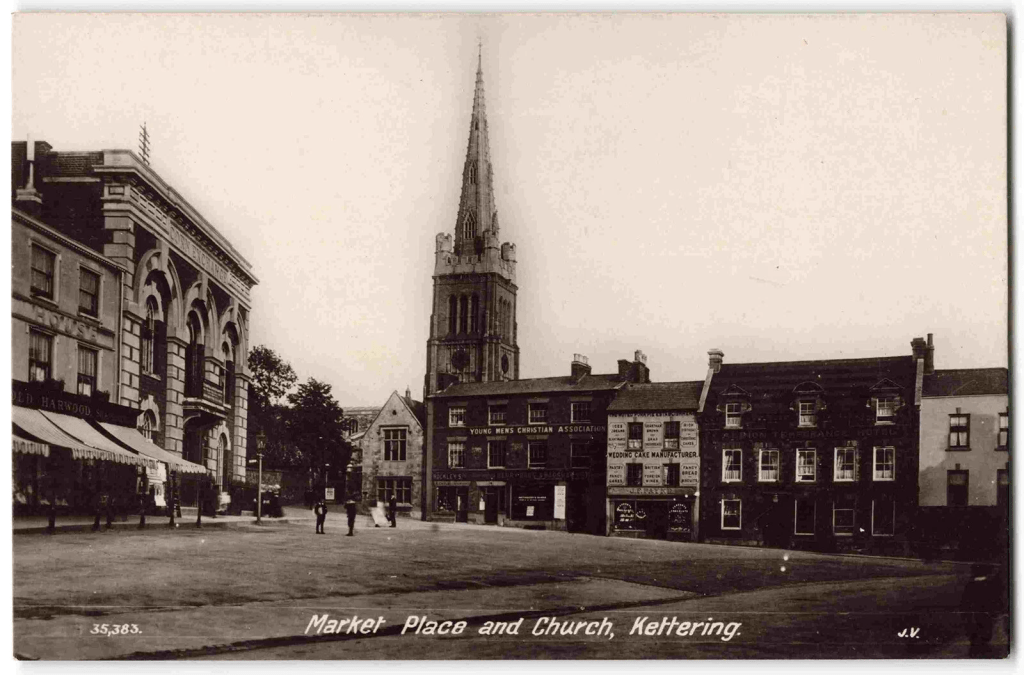
The library was then in the Corn Exchange on the Market Place. It later moved, along with Pierce, to Silver Street.
Kettering Leads the Way
Kettering’s became one of the first four public libraries in Britain where ordinary readers could directly browse shelves themselves.
The fear was that people would steal books, damage them, or possibly begin reading things above their station. Britain has always maintained a healthy fear of poor people accidentally becoming informed.
But Pierce believed libraries should encourage curiosity rather than guard books like medieval dragon treasure.
Open-access libraries proved hugely popular because readers discovered books they never would have requested from a catalogue.
The Carnegie Library
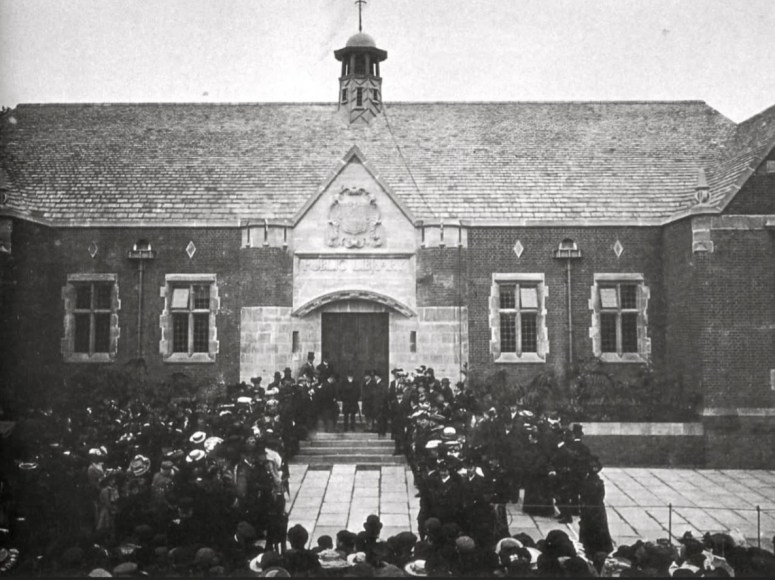
Click to view the photo on Tony Smith’s Kettering
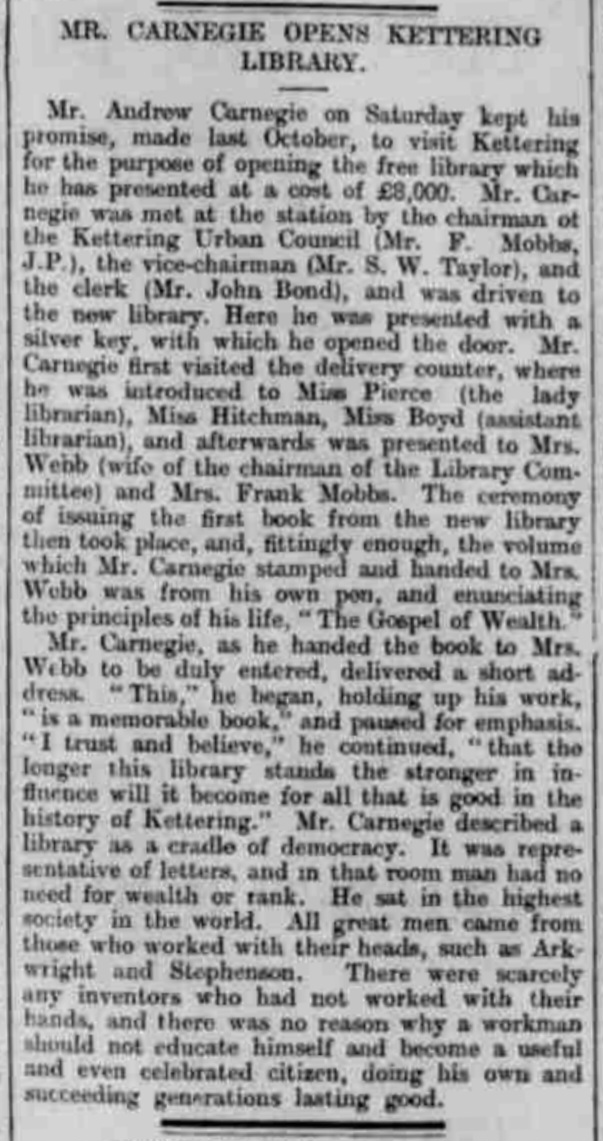
In 1904, Kettering opened one of Britain’s first purpose-built open-access libraries after receiving funding from wealthy industrialist Andrew Carnegie.
Carnegie funded hundreds of libraries around the world, but Kettering’s was important enough that he attended the opening personally. Pierce handed him the very first book borrowed from the new library.
Andrew Carnegie funded thousands of libraries around the world. but he personally opened only a handful of them. Kettering was one of the very few in England where he presided at the opening.
Pierce checked out the library’s first book to him.
The building became a model for modern library design: welcoming, browsable, and intended for ordinary public use rather than academic elites.
According to family lore, my own great-great grandad was one of the first people through the doors on opening day! Not because he was any kind of town bigwig or civil figure; but because he was a “wee ragamuffin” who scuttled between people’s knees and got there first!
The Birth of Interlibrary Loans
Pierce didn’t stop with open shelves.
In the 1930s, she became chair of the newly formed East Midlands Regional Library Bureau. Under this system, libraries started sharing books between different towns and regions.
This helped formalise what became known as “inter-library lending.”
A reader in one town can request books from another library system and have them transferred across the country.
It is one of the reasons modern library systems are vastly more useful than any single building could ever be alone.
And Kettering’s Kate Pierce helped pioneer it.
More Than “Just” a Librarian
Pierce also became honorary curator of Kettering’s Alfred East Art Gallery and wrote about librarianship professionally. She defended women entering the profession and became a major figure in library organisations across the Midlands.
She helped shape libraries into places designed for ordinary people rather than controlled almost exclusively by gatekeepers.
Legacy
Today, almost every public library uses ideas Kate Edith Pierce championed.
They represent the work of a woman from Kettering who helped turn libraries from guarded book vaults into public spaces built around discovery.
Sources
BBC News (2013) Historic Kettering Library reopening
Cornerstone Kettering (2026) Kate Pierce: Librarian, Curator, Feminist
Kettering Market Place Postcard
Smith, T. (2018)
Rushcliffe Advertiser (1904)