
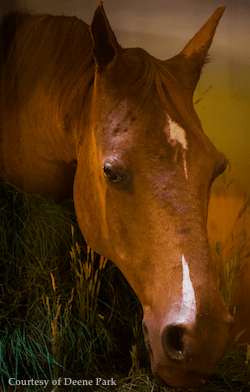
The Charge of the Light Brigade, immortalised by the poem by Lord Tennyson, was just part of the Battle of Balaclava. Resulting in the deaths of many calvarymen, it could be what robbed the British of a decisive win.
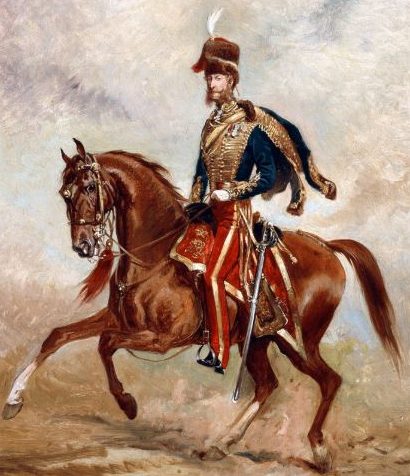
While it was led by Deene Park’s own Lord Cardigan, he can’t really take the blame. The unclear orders were delivered by Captain Nolan, who was quickly killed during the charge. But Lord Cardigan survived, thanks to his trusty and beloved horse, Ronald.
At first, it looked like Ronald wouldn’t be able to carry his master at all. A naturally excitable horse, he had been given what was meant to be mild sedation. But the dose was stronger than expected, and it seemed like he might not be rousable.
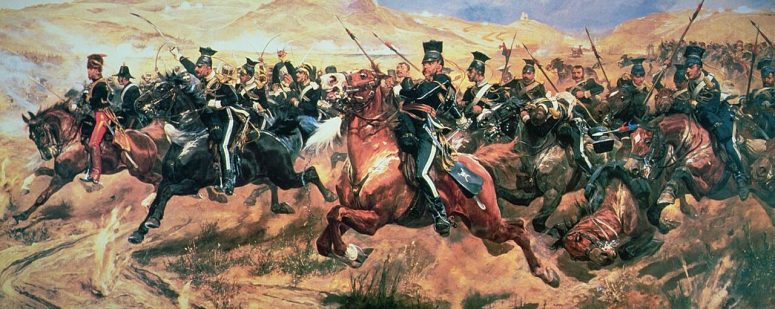
But the sound of military trumpets soon got him on his feet. Despite all this, Ronald carried Lord Cardigan the charge and to safety, avoiding the death or capture that befell many of their comrades. When released from military service, they retired to Deene Hall.
Ronald’s final act of service to his master was to have been following his master’s coffin at the funeral procession. But due to the stresses of the day and possibly grief, Ronald was acting boisterous. Just like on the day of the Charge, he was given sedation. And also like the day of the Charge, it seemed he was given too much. Luckily, someone had an idea: maybe a blast of military trumpets would get him going.
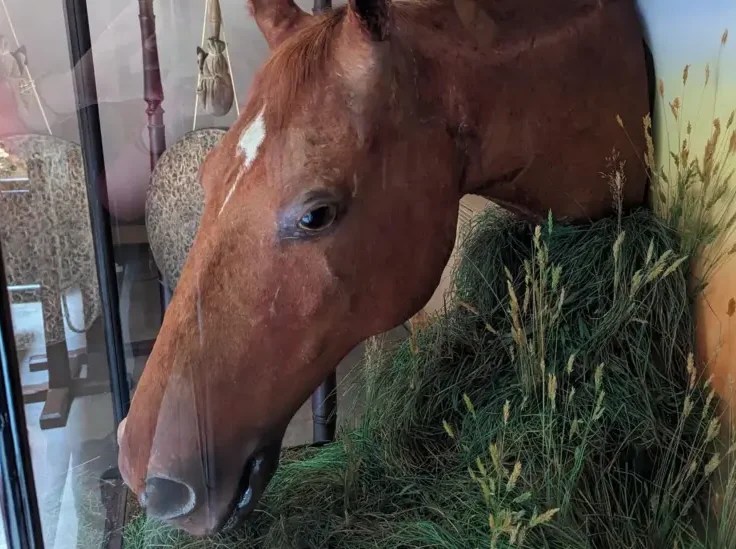
Ronald remains a popular attraction for visitors at Deene Park, who can visit his preserved head.
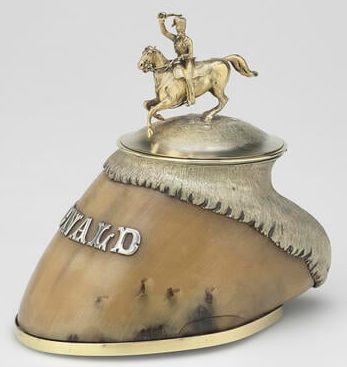
And it wasn’t just his head which was preserved. Lord Cardigan’s widow had one of Ronald’s hooves turned into an ornate inkwell, which she presented to King Edward VII while he was Prince of Wales.
● My Books ● More Local History ●
Sources
Lutring, C.R. () Horse Article
Marvin (2019) Ronald Leads the Light Brigade
Royal Collection Trust () Ronald
Saint, D. (2005) Northamptonshire Tales of Mystery and Murder
Wheeler, T. (2024) Charge of the Light Brigade horse ‘fragile but safe’

